

Vigtige pointer
- Banker og traditionelle valutaplatforme bruges i vid udstrækning, men de er ofte den dyreste måde at veksle valutaer på.
- Spread, skjulte gebyrer og korrespondentgebyrer påvirker alle valutagebyrer.
- Mangel på gennemsigtighed kan gøre det endnu sværere at kende de reelle omkostninger.
- Nye valutatransaktionsydelser som Payset tilbyder differentierede gebyrer og gennemsigtige kurser, hvilket giver dig mulighed for at opnå optimale priser på dine valutatransaktioner.
Hvorfor gebyrer hurtigt løber op
Hvis din virksomhed opererer på tværs af landegrænser, jonglerer du sandsynligvis med flere valutaer – køber, sælger og veksler dem konstant for at holde pengene i gang.
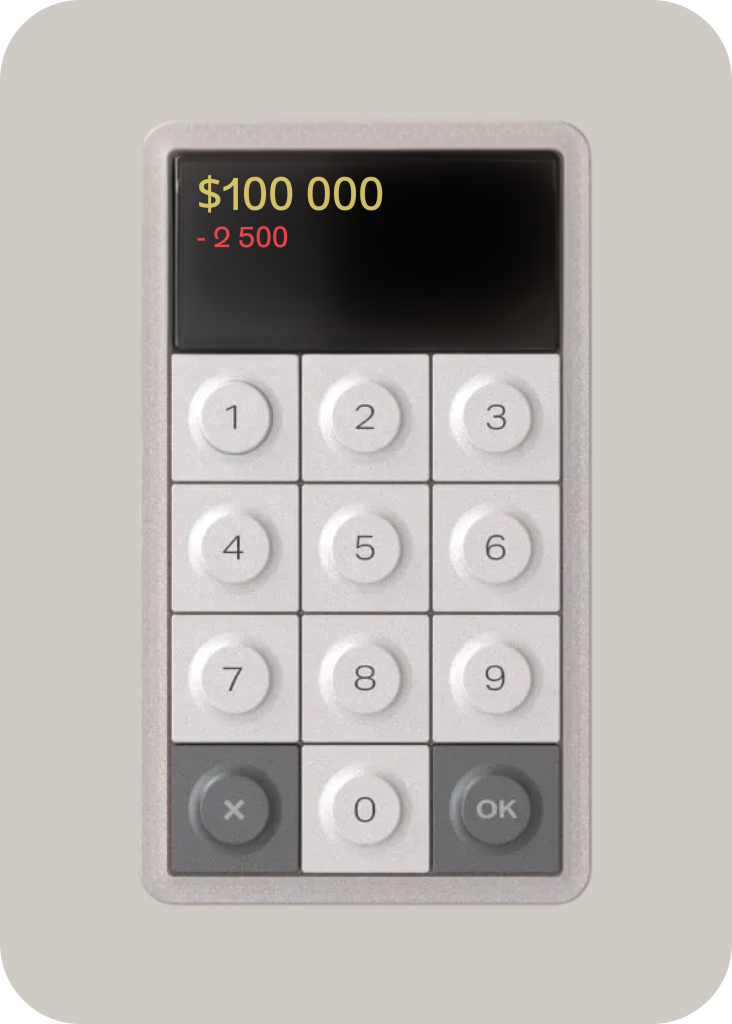
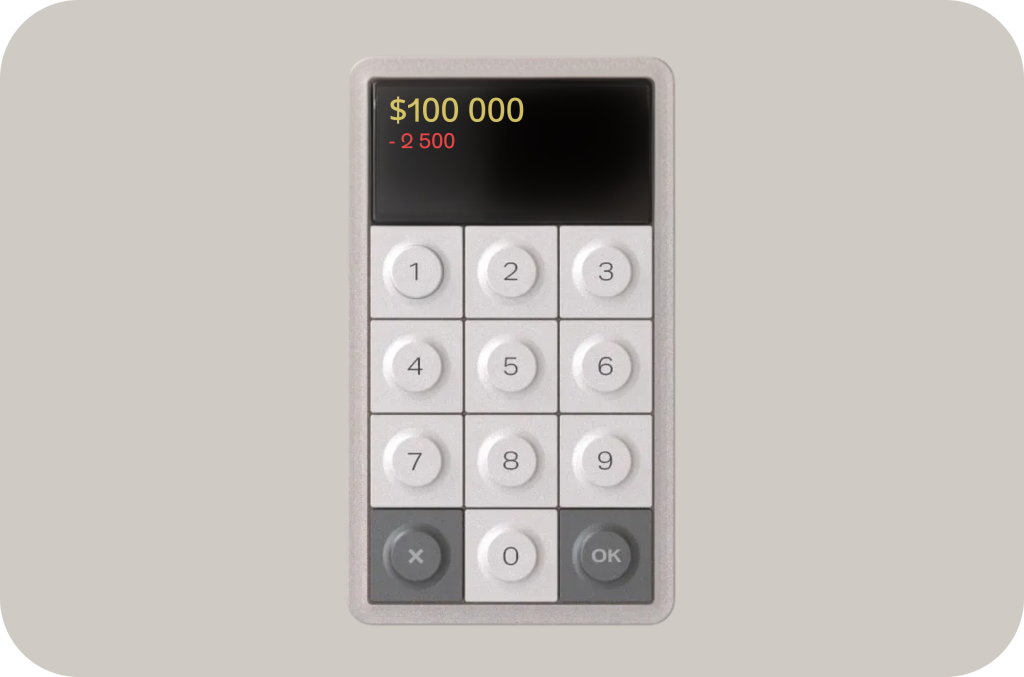
Det kan medføre store omkostninger for din virksomhed. Hvis vi antager, at du betaler 2,51 % i valutagebyrer ved hver transaktion eller konvertering, vil du betale 2.500 for hver 100.000, og behovet for at konvertere både udgående og indgående beløb kan forøge omkostningerne yderligere.
Efterhånden som din virksomhed skalerer op med større betalinger, større volumener og flere transaktionspartnere, kan du forvente, at gebyrerne vil stige yderligere.
Men det behøver ikke at være sådan. Lad os se på, hvorfor banker opkræver gebyrer, og hvordan nye tilgange som differentierede valutakurser kan spare dig penge.
Hvorfor tager banker så meget?
Banker og andre tjenester opkræver gebyrer af en grundlæggende årsag: de er afhængige af brugergebyrer for at tjene overskud og dække omkostningerne ved at levere valutatjenester.
Nogle gange kan disse gebyrer ikke undgås. Den traditionelle finansielle sektor bygger dog på langvarige praksisser og ældre systemer, som kan føre til høje omkostninger for kunderne – selv når det ikke er nødvendigt.
Margener, Skjulte gebyrer og andre omkostninger
Den vigtigste omkostning ved valutaveksling er valutaspreadet, eller forskellen mellem bankens købs- og salgspriser (bud/udbud).
Slutbrugere får næsten altid en spænd i bankens favør, så du vil sende flere penge og modtage færre penge, end mid-market FX-kursen ville antyde. Denne fordel hjælper banker med at generere omsætning og profit, samtidig med at de beskytter sig mod risiko og tab fra udsving i valutakurserne.
Ud over disse grundlæggende spread opkræver banker ofte indlejrede eller “skjulte” markupgebyrer, der pålægger kunden endnu mere af transaktionsomkostningerne.
Tilføj bankgebyrer og overførselsgebyrer, provisioner og overnight swap-gebyrer, og du kan forvente at blive konfronteret med en blanding af synlige og skjulte gebyrer hver gang.
Korrespondentgebyrer og ældre betalingsnetværk
Selvom det ikke er en direkte omkostning pålagt kunden, er mange banker og valutavekselkontorer stærkt afhængige af ældre finansielle netværk.
Mest af alt skal banker ofte betale korrespondentgebyrer til en mellemliggende bank, som dækker omkostningerne til adgang til udenlandske banknetværk, valutaafvikling, valutakonvertering og andre relaterede udgifter.
Ineffektive ældre systemer kan også øge omkostningerne pr. transaktion, tilføje likviditetskrav og reducere transaktionsgennemstrømningen, hvilket kan få banker til at tilføje større gebyrer for at kompensere for højere omkostninger ved hver transaktion.
Igen, dette er ikke nødvendigvis omkostninger, der direkte vil blive opkrævet af dig som bruger – men at vælge en platform, der er klar til at håndtere dine valutabehov med minimal afhængighed af tredjepartstjenester, kan reducere dine samlede omkostninger.
Niveaudelte FX-platforme
Så, som kunde, hvad kan du gøre, når du står over for gebyrer, der er mindre end ideelle? Det kan være svært at forstå, endsige at forhandle med en bank, der har en uklar gebyrstruktur, som ikke er til din fordel.
Alternativet er dobbelt valutaveksling platforme, som tilbyder en række klare og normalt gennemsigtige priser, der justeres baseret på dit forbrugsniveau.
For eksempel kan du få foretrukne satser baseret på disse faktorer.
- Transaktionsbeløb: Udførelse af større valutahandler kan placere dig i et niveau med lavere procentvise gebyrer eller reducerede samlede servicegebyrer.
- Transaktionsvolumener: Når du gennemfører et bestemt antal transaktioner, kan du blive placeret i en rangliste med bedre kurser.
- Handelshistorik: Valutaleverandøren kan afgøre, om du er kvalificeret til højere serviceniveauer baseret på din transaktionshistorik, sommetider ved at kombinere størrelsen og/eller hyppigheden af handler over en periode.
- Valutaer involveret: Nogle valutaer kan være tilgængelige for handel til bedre kurser, især hvis de er udbredte.
- Kundetype: Store institutionelle og erhvervskunder kan være berettiget til satser, der er bedre end dem, der tilbydes til individuelle eller personlige brugere.
- Servicemodel: Nogle FX-platforme opkræver et gebyr for adgang til visse niveauer. Andre, som Payset, tildeler dig et niveau baseret på din kontoaktivitet
Overordnet set vil du have mest gavn af at bruge en flertrins FX-platform til større og hyppigere transaktioner. Hvis du er en let bruger, kan du opleve højere gebyrer, men kan stadig forvente gennemsigtige og konkurrencedygtige priser.
Tips til at optimere din FX-niveau
Lagdelte FX-platforme er endnu kraftigere, når du strategiserer din transaktionsaktivitet for at udnytte top-tier-kurser og -muligheder.
Hvis du ikke er sikker på, at du vil kvalificere dig til de bedste satser, kan du følge disse strategier, når du skifter til en ny valutahandelsservice.
Trin 1 – Følg dine valutakursomkostninger
Fastlæg de spreads, merpriser og gebyrer, som du betaler til din nuværende bank eller udenlandske valutaleverandør. Sørg for at se på historiske data og fastlæg, hvilke valutaer og betalingskorridorer der koster dig mest.
Med flere måneders data kan du fange sæsonbestemte tendenser og uregelmæssigheder, hvilket giver et meget præcist billede af dine valutakursomkostninger.
Denne viden vil hjælpe dig med at estimere dine basisgebyrer, som du kan sammenligne med andre FX-platforme, du overvejer.
Trin 2 – Vælg en Transparent Lagdelt Platform
Dernæst er det tid til at bruge disse oplysninger til at finde et konkurrerende tilbud.
Du kan lede efter platforme, der lover “bedre kurser” på tværs af brættet, men det er bedre at bruge dine data til at finde en service med en valutakursmodel, der opfylder dine specifikke behov og matcher din aktivitetsniveau.
Du kan også tale med en ekspert. Hvis du vælger Payset, vores kunde service agenter kan hjælpe med at forklare, hvordan vores priser står mål med din eksisterende opsætning.
Trin 3 – Planlæg dine betalinger
Når du er ombord, skal du planlægge dine betalinger på en måde, der maksimerer din brug af FX-tjenesten. Dette betyder ikke større transaktioner – det betyder strategisk planlægning.
For eksempel kan du planlægge konverteringer hyppigt nok til at nå et højere niveau, eller du kan konvertere midler, før du har brug for dem, for at opfylde beløbskrav. Koordinering med betalingspartnere kan være nyttig.
Selvom du ikke kvalificerer dig til højere service-tiers, kan en stærk batching- og timingstrategi hjælpe dig med at spare penge ved at undgå transaktionsgebyrer.
Betal Mindre for Valuta med Payset
Hos Payset tilbyder vi differentierede valutakurser med en strømlinet model.
Når du Tilmeld dig For en konto behøver du ikke vælge et niveau udover at angive, om du er en privat- eller forretningsbruger.
I stedet beregner vi automatisk din FX-prisklasse baseret på din transaktionsaktivitet. Det betyder, at du får gennemsigtige og differentierede priser, der forbedres, efterhånden som dine volumener vokser, uden behov for forhandling eller ændringer af planer.
Her er, hvordan det fungerer hos Payset:
- Begynd på basisniveauet: Vi fastsætter din start FX-niveau og dine satser baseret på dine handelsvolumener over de seneste 90 dage.
- Opgrader og lås fast: Når du er kvalificeret, bliver du placeret i en højere kategori med garanteret bedre rater i 30 dage, selv hvis mængden falder.
- Gå op Du kan stige i graderne, selv under lock-in-perioden.
Bundlinjen er denne: Hos Payset får du bedre valutakurser, jo mere du handler.
Fuld valuta transparent
Payset tilbyder ikke kun lave valutakurser – vi er også fuldt ud gennemsigtige, når det kommer til handelsgebyrer. Når du foretager en handel, vil du se kurser, der opdateres i realtid, inklusive interbankkursen og Paysets egne margingebyrer.
Vi tror på, at maksimal transparens, kombineret med et differentieret prissystem, giver forudsigelige valutakurser, som du kan modellere og planlægge efter.
Så oven i at få konkurrencedygtig, hurtig valutahandel, vil du altid se den fulde kurs, før du foretager din valutaoversførsel eller -udveksling.
Klar til at starte? Sammen med Paysets valutahandelsplatform får du adgang til multi-valuta IBAN-konti, masseudbetalinger, teamstyring og mere.
Referencer
https://www.investopedia.com/terms/s/spread.asp
https://www.investopedia.com/terms/c/correspondent-bank.asp
https://www.kantox.com/blog/hidden-fx-charges-you-need-to-know-about