



Key Takeaways
- Banks and traditional FX platforms are widely used, but they’re often the most expensive way to exchange currencies.
- Spreads, hidden markups, and correspondent fees all impact FX fees.
- Lack of transparency can make it even harder to know the true costs.
- New FX services like Payset offer tiered fees and rate transparency, allowing you to obtain optimal pricing on your FX trades.
Why Fees Add Up Fast
If your business operates across borders, you’re likely juggling several currencies — constantly buying, selling, and swapping them to keep cash flowing.
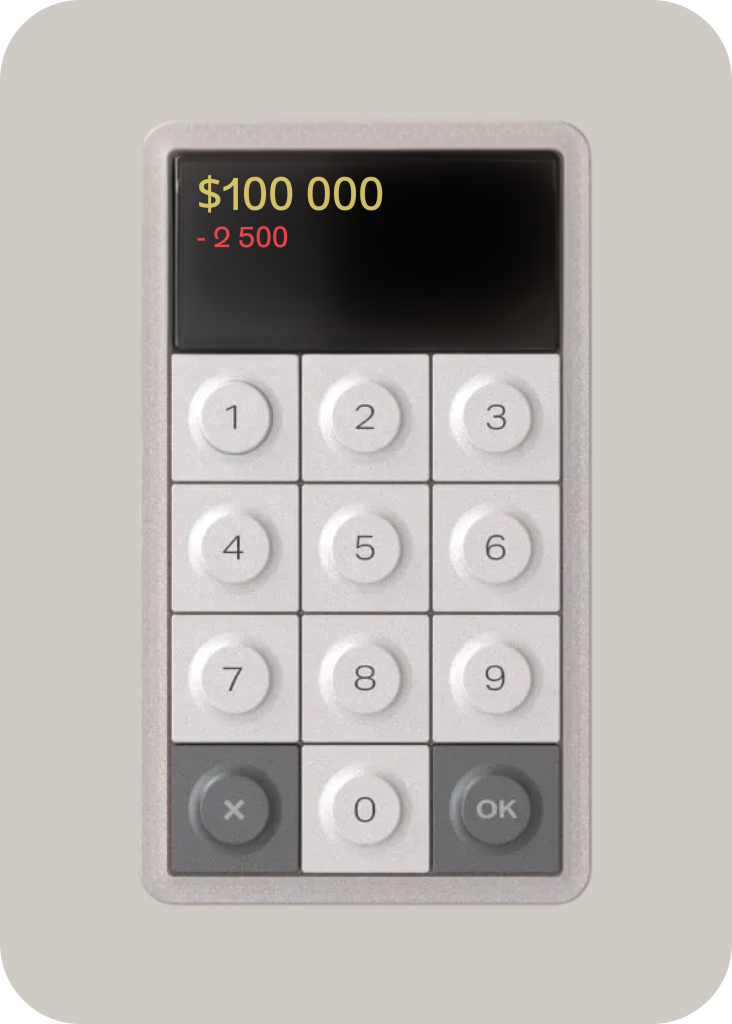
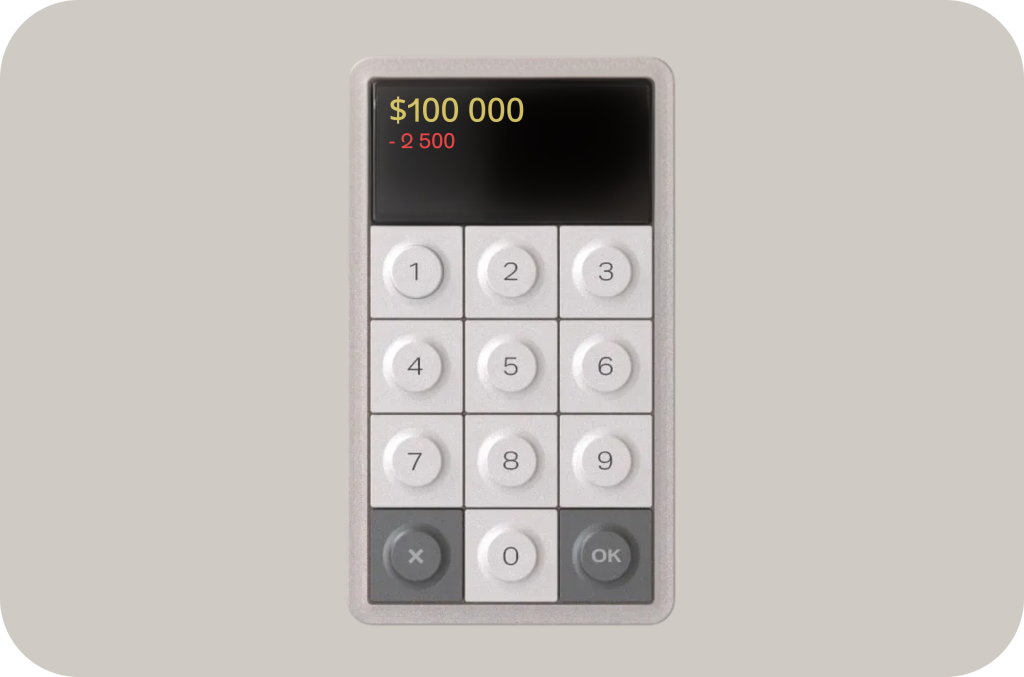
That can impose great costs upon your business. Assuming you pay 2.5% in FX fees on any transaction or conversion, you’ll pay $2,500 on every $100,000, and the need to convert funds both sent and received can compound costs.
As your company scales up with larger payments, greater volumes, and more transaction partners, you can expect fees to accumulate further.
But it doesn’t have to be that way. Let’s look at why banks charge the fees they do and how novel approaches like tiered FX pricing can save you money.
Why Do Banks Charge So Much?
Banks and other services charge fees for one basic reason: they rely on user fees to earn profits and cover the cost of delivering FX services.
Sometimes, these fees can’t be avoided. However, the traditional financial sector relies on long-standing practices and legacy systems that can lead to high costs for the customers and clients — even when it’s not necessary.
Spreads, Hidden Markups, and Other Fees
The most important cost in FX exchange is currency spread, or the difference between the bank’s buying and selling (bid/ask) prices.
End users almost always receive a spread in the bank’s favor, so you’ll send more money and receive less money than the mid-market FX rate would suggest. This edge helps banks generate revenue and profit while protecting themselves from risk and loss from fluctuations in currency exchange rates.
Beyond those basic spreads, banks often charge embedded or “hidden” markup fees that put even more of the transaction cost on the customer.
Add in bank account and wire fees, commissions, and overnight swap fees, and you can expect to face a mixture of visible and hidden fees every time.
Correspondent Fees and Legacy Payment Networks
Although it’s not a direct cost imposed on the customer, many banks and FX exchanges rely heavily on legacy financial networks.
Most importantly, banks often need to pay correspondent fees to an intermediary bank, which covers the cost of access to foreign banking networks, currency settlements, currency conversion, and other related expenses.
Inefficient legacy systems can also increase per-transaction costs, add liquidity requirements, and reduce transaction throughput, which may prompt banks to add greater charges to compensate for higher costs on each transaction.
Again, these aren’t necessarily costs that will be explicitly charged to you as a user — but choosing a platform that’s ready to handle your FX needs with minimal reliance on third-party services can reduce your overall costs.
Tiered FX Platforms
So, as a customer, what can you do when you’re faced with fees that are less than ideal? It can be difficult to understand, let alone negotiate with a bank that has an unclear fee structure that isn’t to your benefit.
The alternative is tiered FX platforms, which offer a variety of clear and usually transparent rates, adjusted based on your level of use.
For example, you might get preferred rates based on these factors.
- Transaction amounts: Performing larger FX trades may place you in a tier with lower percentage-based fees or reduced service fees overall.
- Transaction volumes: When you complete a certain number of transactions, you might be placed in a tier with better rates.
- Trading history: The FX provider may determine whether you qualify for higher service tiers based on your transaction history, sometimes by combining size and/or frequency of trades over a period of time.
- Currencies involved: Some currencies may be available for trading at better rates, especially if they’re in widespread use.
- Client type: Large institutional and business clients may qualify for rates that are better than those offered to individual or personal users.
- Service model: Some FX platforms charge a fee to access certain tiers. Others, such as Payset, assign you a tier based on your account activity
Broadly speaking, you’ll benefit the most by using a tiered FX platform for larger and more frequent transactions. If you’re a light user, you might receive higher fees but can still expect transparent and competitive prices.
Tips for Optimizing Your FX Tier
Tiered FX platforms are even more powerful when you strategize your transaction activity to take advantage of top-tier rates and capabilities.
If you’re not confident that you’ll qualify for the best rates, you can follow these strategies when moving to a new FX service.
Step 1 – Track Your FX Costs
Determine the spreads, markups, and fees that you pay your current bank or foreign exchange provider. Be sure to look at historical data and determine which currencies and payment corridors are costing you the most.
Taking into account several months of data can help capture seasonal trends and irregularities, providing a highly accurate picture of your FX costs.
This knowledge will help you estimate your baseline fees, which you can compare to other FX platforms that you’re considering.
Step 2 – Choose a Transparent Tiered Platform
Next, it’s time to use that information to find a competing offer.
You can look for platforms that promise “better rates” across the board, but it’s better to use your data to find a service with an FX pricing model that meets your particular needs and matches your scale of activity.
You can also talk to an expert. If you choose Payset, our client service agents can help explain how our rates stack up to your existing setup.
Step 3 – Plan Your Payments
Once you’re onboard, plan your payments in a manner that maximizes your use of the FX service. This doesn’t mean larger transactions – it means strategizing.
For example, you might schedule conversions often enough to reach a higher tier, or you might convert funds before you need them to meet amount requirements. Coordinating with payment partners can be helpful.
Even if you fail to qualify for higher service tiers, a strong batching and timing strategy can help you save money by avoiding per-transaction fees.
Pay Less for FX With Payset
At Payset, we provide tiered FX pricing with a streamlined model.
When you sign up for an account, you don’t need to choose a tier apart from indicating whether you’re a personal or business user.
Instead, we automatically calculate your FX pricing tier based on your transaction activity. This means that you get transparent and tiered rates that improve as your volumes grow, with no need for negotiation or plan changes.
Here’s how it works at Payset:
- Start at the baseline tier: We’ll set your starting FX tier and rates based on your trading volumes over the last 90 days.
- Upgrade and lock in: When you qualify, you’ll be placed in a higher tier with guaranteed better rates for 30 days, even if volume drops.
- Move up: You can enter higher tiers even during the lock-in period.
The bottom line is this: At Payset, the more you trade, the better FX rates you’ll receive.
Full FX Rate Transparency
Payset doesn’t just offer low FX rates — we’re also fully transparent when it comes to trading fees. Whenever you make a trade, you’ll see rates updated in real time, including the interbank rate and Payset’s own margin fees.
We believe that maximum transparency, combined with a tiered rate system, provides predictable FX costs that you can model and plan for.
So on top of getting competitive, fast FX trading, you’ll always see the full rate prior to making your FX transfer or exchange.
Ready to start? Alongside Payset’s FX trading platform, you’ll get access to multi-currency IBAN accounts, bulk payments, team management, and more.
References
https://www.investopedia.com/terms/s/spread.asp
https://www.investopedia.com/terms/c/correspondent-bank.asp
https://www.kantox.com/blog/hidden-fx-charges-you-need-to-know-about
FAQ
What’s the single biggest cost in an FX trade?
The currency spread — the difference between a provider’s buy and sell price — is usually the most important cost. End users almost always get a spread in the provider’s favour, so you send more and receive less than the mid-market rate suggests. Hidden markups and other fees then add to this.
What are correspondent (intermediary) bank fees?
They’re charges banks pay to intermediary banks to access foreign payment networks and settle currency. They aren’t usually billed to you directly, but banks often pass the cost on. Choosing a provider that relies less on these third-party networks can lower your overall FX costs.
How much can FX fees really cost my business?
They add up fast. At a 2.5% FX fee, you pay $2,500 on every $100,000 converted — and since you often convert funds both received and sent, costs compound as your volumes grow. Tracking which currencies and corridors cost you most is the first step to reducing them.
How does Payset decide my FX rate tier?
Payset sets your starting tier and rates based on your trading volume over the last 90 days, with no tier to choose beyond whether you’re a personal or business user. When you qualify for a higher tier, the better rate is guaranteed for 30 days even if your volume drops, and you can still move up during that period.
Can I lower my FX costs without reaching a higher tier?
Yes. Even if you don’t qualify for top-tier rates, planning helps: batch conversions instead of trading piecemeal to avoid repeated per-transaction fees, convert before you need funds to meet thresholds, and time trades sensibly. A transparent provider lets you see costs upfront so you can plan around them.
How do I know I’m getting a fair rate with Payset?
Payset shows rates in real time, including the interbank rate and Payset’s own margin, every time you trade — so you see the full price before you confirm a transfer or exchange. This transparency lets you compare against the mid-market rate rather than relying on a “no-fee” claim that may hide costs.