

עד כמה קריפטו נפוץ בבריטניה?
נכון לשנת 2023, הביטקוין ומטבעות קריפטוגרפיים אחרים קיימים כבר כ-15 שנים. משמעות הדבר היא שלחברות ולצרכנים כאחד היה די זמן להיכנס לשוק.
כיום, מספר קטן אך משמעותי של אזרחים בבריטניה מחזיקים בביטקוין ובמטבעות קריפטוגרפיים אחרים. סטטיסטא מעריכה כי 4.7 מיליון אזרחים בריטים, or 7% of the country’s entire population, held cryptocurrency at the end of 2022. That number rose over the previous months.
נתונים אחרים של סטטיסטה מצביעים על כך ש יותר מ-200 עסקים בבריטניה כולה קיבלו מטבעות קריפטוגרפיים או החזיקו בכספומט קריפטו בשנת 2021. כשלושה רבעים מהעסקים הללו ממוקמים בלונדון.
תעשיית הקריפטו בבריטניה משמעותית גם מבחינת הכנסות שנתיות. נתוני Statista מצביעים על כך שההכנסות בתעשיית הקריפטו בבריטניה הן $ 1.89 מיליארד (1.5 מיליארד ליש"ט) בשנת 2023. על פי אותם נתונים, הכנסות המדינה ממטבעות קריפטוגרפיים עשויות לצמוח מ-18.81 מיליארד ליש"ט ל-27.37 מיליארד ליש"ט (2.7 מיליארד ליש"ט) עד שנת 2027.
הנתונים של סטטיסטה לגבי הכנסות מקריפטו מתייחסים לשירותים המנוהלים באופן מרכזי כגון בורסות קריפטו ו“נאו-בנקים”, אך לא לשירותי מטבעות קריפטוגרפיים מבוזרים או עסקאות Web 3.0. ככזה, ייתכן כי חלק מעסקאות המטבעות הקריפטוגרפיים שהתרחשו בבריטניה אינן חלק מנתונים אלה.
כיצד ממשלת בריטניה מתייחסת לקריפטו?
ממשלת בריטניה הביעה עמדה חיובית כלפי מטבעות קריפטוגרפיים. ב פברואר 2023, HM Treasury said that the country intends to set out rules and “ambitious plans” for the crypto sector. It said that this course of action will “grow the economy by robustly regulating crypto asset activities.”
באופן ספציפי, הממשלה אמרה כי תיצור כללים בנוגע לקבלה וגילוי עבור בורסות קריפטו, כללים בנוגע לקידום מכירות, וכללים למתווכים ומשמורנים.
הצהרות אלו מבהירות את כוונתה של בריטניה לבנות תעשיית קריפטו חזקה, אך ניסוח זה מאופק יותר מזה שהיה בהצהרות קודמות של משרד האוצר של הוד מלכותה מ- אפריל 2022.
שם, הסוכנות אמרה כי היא מתכוונת להפוך את בריטניה ל“מרכז טכנולוגי עולמי לנכסי קריפטו” ולגיטימציה של תשלומים במטבעות יציבים. אגב, ראש הממשלה רישי סונאק - לשעבר שר האוצר במשך שנתיים - מחזיק בעמדות פרו-קריפטו והוא אחראי במידה רבה לתוכניות מרכז הקריפטו של הממשלה לשנת 2022.
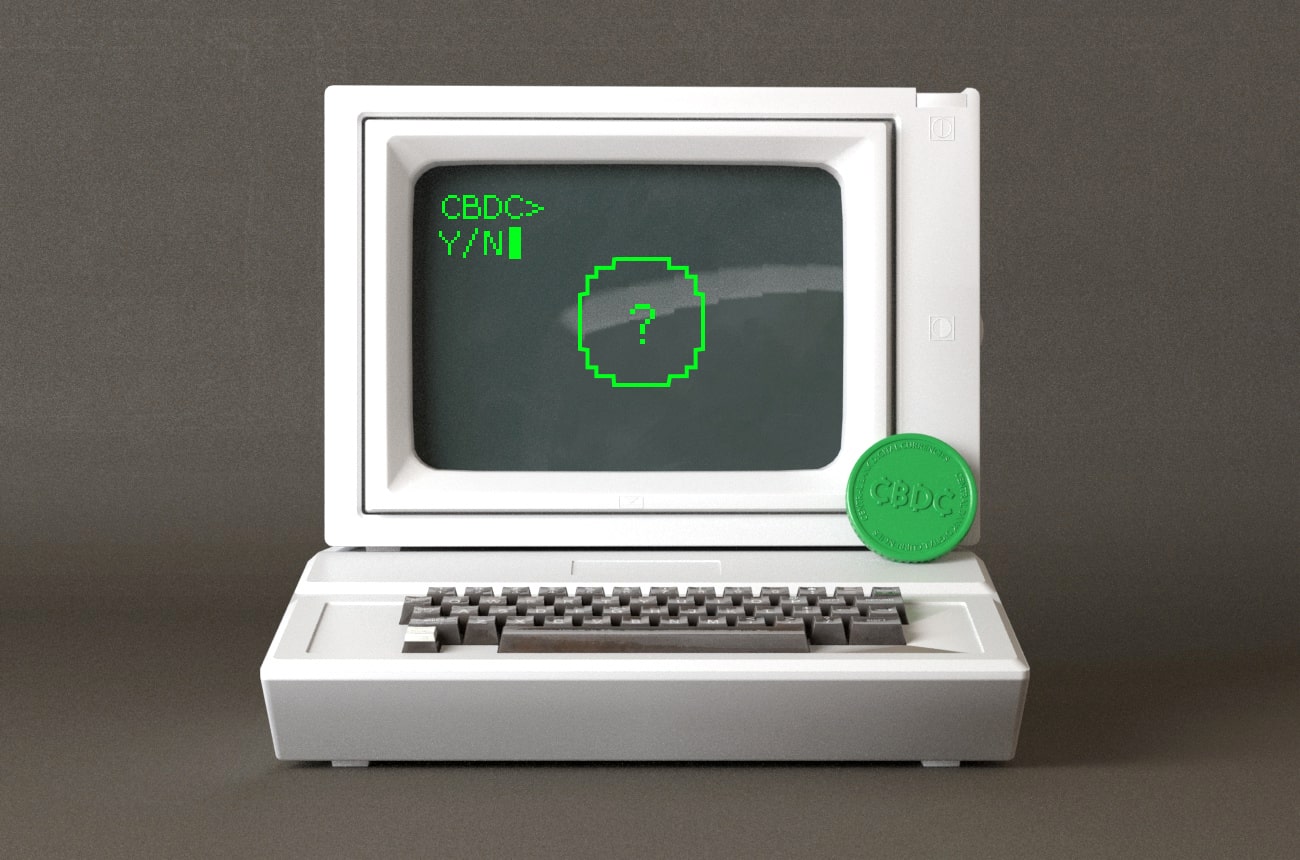
חלק מעבודת המדינה מתקדמת לאט או לא מתקדמת כלל. הדיון על מטבע דיגיטלי של בנק מרכזי (CBDC), או לירה דיגיטלית, נמצאת בעיצומה מאז 2021 ועודנה בשלב הבחינה. בינתיים, תוכניות ל אספנות של אסימון שאינו ניתן להחלפה (NFT) מה-Royal Mint ירדו.
שתי התוכניות הללו ייצגו התפתחויות מהממשלה עצמה — לא רגולציה של פרויקטי מטבעות קריפטוגרפיים פרטיים — ולכן הן משמעותיות ביותר.
אילו תקנות בריטיות חלות כיום על קריפטו?
מטבעות קריפטוגרפיים ושירותים קשורים, כגון בורסות וארנקים, נחשבים בדרך כלל לחוקיים בבריטניה. עם זאת, ישנם כללים ומגבלות רבים.
עבור משקיעי קריפטו כלליים, החשובים ביותר בהנחיות אלו הם דרישות המס. במסמך הנחיות אחרון, משרד האוצר (HM Treasury) קבע כי מחזיקי קריפטו צריך לשלם מס רווחי הון אם הם מוכרים, סוחרים, מבזבזים או מעניקים את מטבע הקריפטו שלהם. מס הכנסה חל גם כאשר מקבלים מטבע קריפטו.
הרשות להתנהלות פיננסית (FCA) אחראית לרוב סוגי הרגולציה האחרים בתחום הקריפטו. לדוגמה, ה-FCA מווסתת בורסות קריפטו וחברות אחרות בכך שהיא דורשת מעסקים אלה להירשם ולציית לכללים כגון תקנות למניעת הלבנת הון (AML).
נכון ליוני 2023, יותר מ-40 חברות קריפטו נרשמת בהצלחה עם ה-FCA.
רשות ניירות ערך והשקעות (FCA) נקטה צעדים נגד שירותי קריפטו מסוימים שלא נרשמו. החל משנת 2021, ה-FCA אמרה שבורסת המטבעות הקריפטוגרפיים Binance — או ליתר דיוק, החברות האחראיות לה — הן לא מותר להפעיל בבריטניה. מספר בנקים חסמו בתורם תשלומים של משתמשים אל Binance וממנו.
רשות ניירות ערך גם יוצרת כללים רחבים יותר. על 6 ביוני 2023, נאמר כי יונהגו “כללים חדשים ונוקשים” בנוגע לשיווק מטבעות קריפטוגרפיים. החל מאוקטובר 2023, חברות קריפטו יצטרכו לספק אזהרות בפרסומות. בנוסף, הן יוגבלו מהצעת בונוסים של “הפנה חבר”.
כללים סביב מטבעות יציבים (סטייבל-קוינס) גם הם ממתינים. חוק השירותים הפיננסיים והשווקים, אשר יקבע כמה סמכות יש ל-FCA על מטבעות יציבים, נמצא בשלב הדיווח נכון ל- יוני 2023.
כיצד תקנות בריטניה משתוות לתקנות ארה"ב?
אף שהרגולטורים בבריטניה מחמירים בהיבטים רבים, המדינה נמנעה ברובה מלנקוט פעולה נגד חברות קריפטו בעלות מוניטין ומבוססות. לעומת זאת, רגולטורים אמריקאיים הענישו לעיתים קרובות חברות כאלה, נוהג המכונה לעיתים “רגולציה באמצעות אכיפה”.”
פעולות האכיפה המוגבלות של בריטניה זכו לשבחים מקומבייס, שבסיסה בקליפורניה והיא בורסת הקריפטו השנייה בגודלה לפי נפח מסחר. קומבייס הואשמה בהפרת חוקי ניירות ערך בארה"ב ביוני 2023 והתלוננה שוב ושוב כי הרגולטורים האמריקאים אינם מספקים נתיב לרישום. המנכ"ל שלה הובא לידיעתך בריטניה, לעומת זאת, “מתקדמת במהירות לקראת רגולציה חכמה של קריפטו”.”
בינאנס, בורסת הקריפטו הגדולה ביותר לפי נפח מסחר, רואה גם את בריטניה כשוק מבטיח. כמו קוינבייס, היא התמודדה עם האשמות מצד רגולטורים בארה"ב ביוני 2023.
לפני כן, ב מאי 2023, סמנכ“ל התקשורת של בייננס אמר שהחברה תעשה ”כל שביכולתה" כדי לקבל אישור בבריטניה, עקב חוקים אמריקאים מחמירים. ההנהלה הביעה תקווה זו למרות ההגבלות שה-FCA הטילה על תשלומים הקשורים לבייננס בבריטניה.
כיצד תקנות בריטניה משתוות לתקנות האיחוד האירופי?
תקנות בריטניה קיימות לצד חוקים ממתינים מהאיחוד האירופי (EU). האיחוד האירופי מיישם כעת מסגרת הנקראת התקנה על שווקים בנכסי קריפטו (MiCA).
Though both sets of regulations concern similar aspects of cryptocurrency, MiCA regulations lay out a framework for EU member countries to work with alongside existing EU regulation. By contrast, the UK’s regulatory rules, especially those from the FCA, are applied directly to companies within the country. One law firm has published a השוואה מקיפה יותר של מודלים של מטבעות קריפטוגרפיים של האיחוד האירופי ובריטניה.
לא ברור אם המודל הרגולטורי של בריטניה יהיה בסופו של דבר מגביל יותר או פחות מאחרים, אך התוצאה תשפיע ללא ספק על המקומות שבהם חברות קריפטו יבחרו לפעול.
אם בריטניה תצליח במטרתה, המדינה תוכל להפוך ל“מרכז הקריפטו” שאליו היא שואפת.
האם ידעת ש-Payset יכולה כעת לממן מבורסות קריפטו נחשבות?
חשבונות Payset מסוימים יכולים כעת לקבל כספים מבורסות קריפטו מוכרות בלירות שטרלינג וביורו. (איננו יכולים לתמוך בשליחת כספים לבורסת קריפטו בשלב זה). פשוט ליצור קשר אלינו ואנו נקים עבורך חשבון מתאים.