




How widespread is crypto in the UK?
As of 2023, Bitcoin and other cryptocurrencies have existed for about 15 years. This means that companies and consumers alike have had plenty of time to enter the market.
Today, a small but significant number of UK citizens hold Bitcoin and other cryptocurrencies. Statista estimates that 4.7 million UK citizens, or 7% of the country’s entire population, held cryptocurrency at the end of 2022. That number rose over the previous months.
Other Statista data suggests that more than 200 businesses across the UK accepted cryptocurrency or had a crypto ATM in 2021. About three-quarters of those businesses are located in London.
The UK crypto industry is significant in terms of annual revenue as well. Statista data suggests that revenue in the UK crypto industry is $1.89 billion (1.5 billion GBP) in 2023. The same data predicts that the country’s crypto revenue could grow 18.8% to $3.37 billion (2.7 billion GBP) by 2027.
Statista’s data on crypto revenue concerns centrally operated services such as crypto exchanges and “neobanks” but not decentralized cryptocurrency services or Web 3.0 transactions. As such, some cryptocurrency transactions that took place in the UK may not be part of that data.
How does the UK government view crypto?
The UK government has expressed a favorable stance toward cryptocurrency. In February 2023, HM Treasury said that the country intends to set out rules and “ambitious plans” for the crypto sector. It said that this course of action will “grow the economy by robustly regulating crypto asset activities.”
Specifically, the government said that it will create rules around admission and disclosure for crypto exchanges, rules around promotions, and rules for intermediaries and custodians.
Those statements make it clear that the U.K. plans to build a strong crypto industry, but that wording is more restrained than it was in HM Treasury’s previous statements from April 2022.
There, the agency said it intended to make the UK a “global cryptoasset technology hub” and legitimize stablecoin payments. Incidentally, Prime Minister Rishi Sunak — formerly Chancellor of the Exchequer for 2 years — holds pro-crypto stances and is largely responsible for the government’s 2022 crypto hub plans.
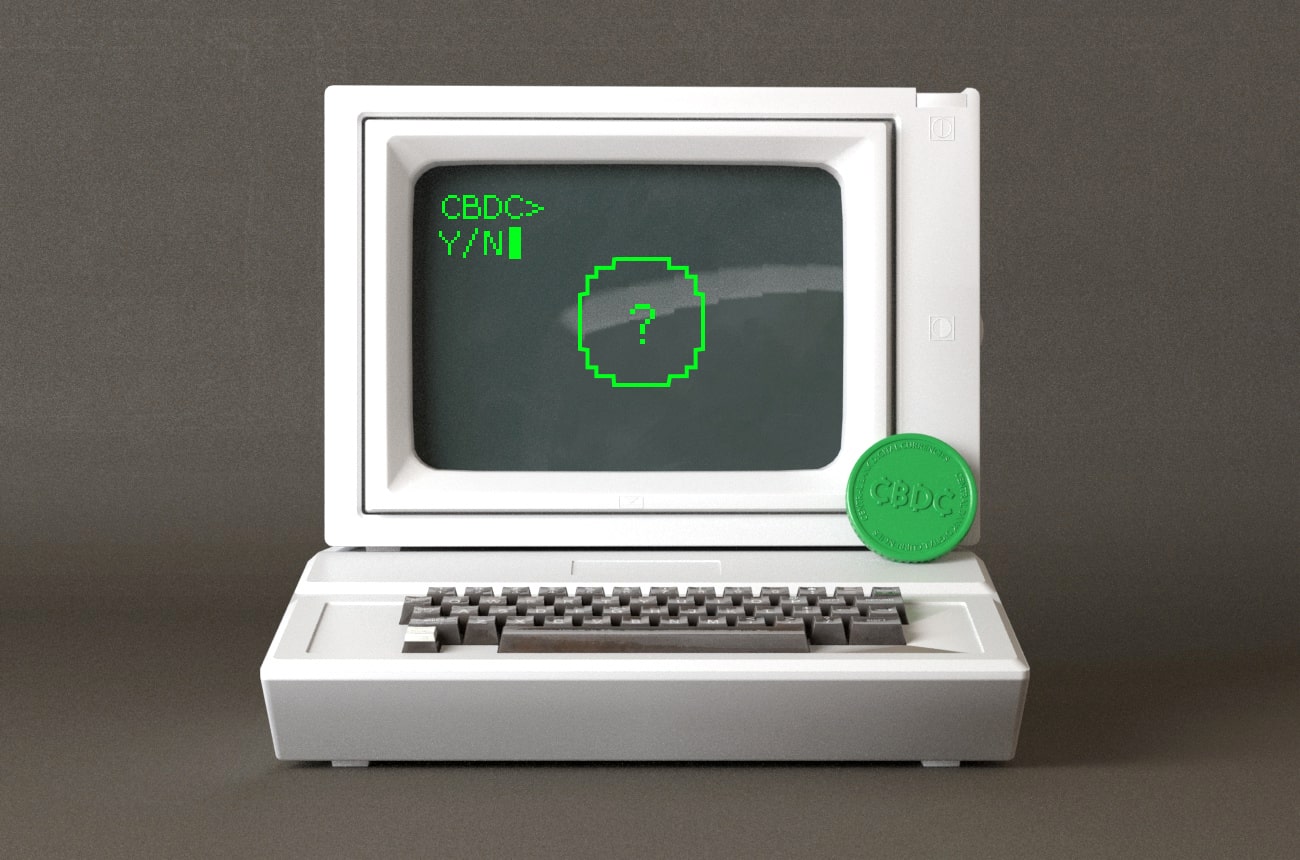
Some of the country’s work is moving slowly or not at all. Consideration of a central bank digital currency (CBDC), or digital pound, has been underway since 2021 and is still in the examination stage. Meanwhile, plans for a collectible non-fungible token (NFT) from the Royal Mint have been dropped.
Both of those plans would represent developments from the government itself — not regulation of private cryptocurrency projects — and are therefore highly significant.
What UK regulations currently apply to crypto?
Cryptocurrency and related services, such as exchanges and wallets, are generally considered legal in the U.K. However, there are numerous rules and restrictions in place.
For general crypto investors, the most important of those rules are tax requirements. In a recent guidance document, HM Treasury said that crypto holders need to pay capital gains tax if they sell, trade, spend, or give away their cryptocurrency. Income taxes also apply when one receives cryptocurrency.
The Financial Conduct Authority (FCA) is responsible for most other types of crypto regulation. For example, the FCA regulates crypto exchanges and other companies by requiring those businesses to register and comply with rules such as anti-money laundering (AML) regulations.
As of June 2023, more than 40 crypto companies have registered successfully with the FCA.
The FCA has taken action towards certain unregistered crypto services. Starting in 2021, the FCA said that the Binance cryptocurrency exchange — or more precisely, the companies responsible for it — are not permitted to operate in the UK. Several banks in turn blocked user payments to and from Binance.
The FCA also creates broader rules. On June 6, 2023, it said that it will introduce “tough new rules” concerning cryptocurrency marketing. Beginning in October 2023, crypto companies will need to provide warnings in advertising. Plus, they will be restricted from offering “refer-a-friend” bonuses.
Rules around stablecoins are pending as well. The Financial Services and Markets Bill, which will determine how much authority the FCA has over stablecoins, is in the report stage as of June 2023.
How do UK regulations compare to US regulations?
Though UK regulators are strict in many ways, the country has largely refrained from taking action against reputable and established crypto companies. By contrast, US regulators have often penalized such companies in a practice that is sometimes called “regulation by enforcement.”
The UK’s limited enforcement actions have attracted praise from Coinbase, which is based in California and is the second largest crypto exchange by trading volume. Coinbase was charged with violating US securities law in June 2023 and has repeatedly complained that US regulators provide no path to registration. Its CEO has noted that the UK, by contrast, is “moving fast on sensible crypto regulation.”
Binance, the largest crypto exchange by trading volume, also views the UK as a promising market. Like Coinbase, it faced charges from US regulators in June 2023.
Prior to that, in May 2023, Binance’s CCO said that the company will do “everything [it] possibly can” to gain approval in the UK due to harsh American laws. The executive apparently expressed this hope in spite of the restrictions that the FCA has imposed on Binance-related payments in the U.K.
How do UK regulations compare to EU regulations?
UK regulations also exist alongside pending laws from the European Union (EU). The EU is currently implementing a framework called Regulation on Markets in Cryptoassets (MiCA).
Though both sets of regulations concern similar aspects of cryptocurrency, MiCA regulations lay out a framework for EU member countries to work with alongside existing EU regulation. By contrast, the UK’s regulatory rules, especially those from the FCA, are applied directly to companies within the country. One law firm has published a more extensive comparison of the EU and UK crypto models.
It is unclear whether the UK’s regulatory model will eventually be more or less restrictive than others, but the outcome will undoubtedly impact where crypto companies choose to operate.
If the UK succeeds in its goal, the country could become the “crypto hub” it aims to be.
Did you know Payset can now fund from reputable crypto exchanges?
Specific Payset accounts can now receive funds from reputable cryptocurrency exchanges in GBP and EUR. (We cannot support sending funds to a crypto exchange at this time.) Simply reach out to us and we will set you up with an appropriate account.