


נקודות מפתח
- פייאוניר משרתת פרילנסרים, עסקים ושווקים.
- לאחר יותר מ-20 שנות פעילות, השגיה כיסוי גלובלי חזק עם תמיכה ביותר מ-190 מדינות ו-70 מטבעות.
- אולם, אנו מבחינים בכמה חסרונות בנוגע להיעדר חשבונות אישיים של Payoneer ותמיכה מוגבלת בפעולות עסקיות מורכבות.
- Payset שואפת לספק אלטרנטיבה על ידי הצעת חשבונות עסקיים ואישיים עם שירותים ותכונות מותאמים אישית.
פיוניר היא פלטפורמת תשלומים מקוונת שראשיתה בימים הראשונים של האינטרנט וכיום משרתת לקוחות ברחבי העולם.
המנכ"ל הראשון של החברה, יובל טל, הקים את החברה בניו יורק בשנת 2005. פיוניר השיקה תשלומים זמן קצר לאחר מכן, ובתוך מספר שנים, היא התרחבה לכרטיסי חיוב נטענים ויצרה שותפויות בולטות.
פיוניר בולטת גם בהנפקה שלה בבורסה לאחרונה. החברה הפכה לציבורית בשנת 2021, ומונה נובמבר 2025, שוויה היה מעל $2.8 מיליארד.
ההצעות המרכזיות של החברה נותרות שירותי התשלום הוותיקים שלה, הפונים לעסקים רבים - אך האם הם מתאימים לך?
למה לבחור ב-Payoneer?
פאיוניר מושך לקבוצות המשתמשים העיקריות שלו: עסקים, פרילנסרים ושוקי קניות המחפשים פתרונות קבלה ותשלום.
שירותיה מתמקדים באופן רחב בשליחה וקבלת תשלומים, חשבונות רב-מטבעים וכרטיסי תשלום. היא מציעה גם שירותים מיוחדים יותר כגון אינטגרציה למרקטפלייסים ותשלומי המונים עבור מרקטפלייסים.
בנוסף, הפריסה הגלובלית של הפלטפורמה הופכת אותה לנגישה ברחבי העולם, ומשרתת את בריטניה, האיחוד האירופי, APAC ואזורים אחרים לצד השוק המקומי שלה בארה"ב.
הפלטפורמה תומכת ב-190 מדינות ומשיכות ב-70 מטבעות, מה שמאפשר לה להפעיל העברות חוצות גבולות נרחבות.
מוצרי ליבה והיצע
פיוניר מציעה שירותי תשלום שונים הכוללים:
- קבלת כספים, כולל באמצעות בקשות תשלום, חיוב, זרמי צ'ק-אאוט, אינטגרציה עם שווקים, וכלים נוספים.
- שליחת כספים, לרבות באמצעות תשלומי B2B, תשלומי קבלנים, תשלומי מע"מ ותשלומי כרטיס פיוניר.
- כרטיסי תשלום בדולר אמריקאי, אירו, לירה שטרלינג ודולר קנדי, מופעל על ידי מאסטרקארד.
- המרת מטבע, הידוע גם כמאזן ניהול.
- כלי ניהול כוח אדם להעסקת וגיוס קבלנים ועובדים, בתוספת כלי גילוי כישרונות וכלים לציות בגיוס.
- מקדמות הון, או הון חוזר עבור מימון צמיחה עסקית.
- שירותי שוק כולל כלים לתשלומים המוניים, גביית תשלומים אוטומטית, אבטחת תשלומים, אוטומציה של מיסים ועוד.
תמחור ועמלות
סטנדרט Payoneer תעריפים יחול על משתמשים באזורי השירות הליבה ובמטבעות הנתמכים שלה — בעיקר ארה"ב (USD), בריטניה (GBP), והאיחוד האירופי (EUR).
זה בדרך כלל גובה עמלות פר-עסקה במקום עמלות חוזרות:
- עמלות על תשלומים נכנסים טווח העמלות נע בין 1.0% ל-3.99%, בהתאם לפרטי העסקה, ובמקרים מסוימים מתווספות עמלות קבועות נוספות.
- דמי תשלום יוצאים הטווח נע בין 0.51% ל-3.1%, בהתאם לפרטי העסקה, ובמקרים מסוימים נגבים דמי קבועים.
- עמלות כרטיס פייוניר העמלות הן אפס אם העסקה מתבצעת במטבע ברירת המחדל, או בין 1.8 ל-3.5% במקרה של המרת מטבע; ייתכן שיחולו עמלות שימוש נוספות.
- תשלומים נכנסים מלקוחות Payoneer אחרים הם בחינם.
- לשילוב תשלומים בשוקי צד שלישי יש עמלות משתנות.
עלול לחולו חיובים נוספים, לרבות:
- דמי ניהול שנתיים בסך $29.95 דולר, אשר מחויבים רק בחשבונות שמקבלים פחות מ-$2,000 דולר ארה"ב במשך 12 חודשים.
- דמי כרטיס שנתיים בסך $29.95 דולר, שאינם נראים ניתנים לויתור.
- תוכניות שנתיות ועמלות רישום באזורים נבחרים.
רשימה זו אינה ממצה, ועשויות לחול עמלות נוספות בהתאם לאופן השימוש בשירות. Payoneer דף עמלה רשמית מספק פרטים מדויקים יותר.
קהלי יעד ומקרי שימוש
שירותי התשלום של Payoneer מיועדים למספר מגזרים, ביניהם:
- מסחר אלקטרוני
- מיקור חוץ של IT
- שיווק
- סיטונאות ויצוא
- סטארט-אפים
- מפתחי אפליקציות ווב ומובייל
- דרופשיפינג
- יוצרים ומשווקים דיגיטליים
- פרילנסרים
מסחר אלקטרוני
פיוניר מאפשרת למוכרי מסחר אלקטרוני לקבל תשלומים גלובליים, לשלם לספקים, להמיר מטבעות ולנהל הוצאות מחשבון אחד.
לקוח משמעותי אחד הוא משאלה, אפליקציית מסחר אלקטרוני חברתית למובייל שהגיעה להיקף תשלומים של 1.48 מיליארד דולר תוך שישה חודשים מרגע אימוץ Payoneer. נתון זה מסמן עלייה של 90.1% בהיקף התשלומים של Wish לעומת החודש הקודם.
שיווק
סוכנויות שיווק יכולות להפיק תועלת מתכונות Payoneer, כולל כלי חיוב, המרת מטבע ואפשרויות תשלום רב-פנים.
איקוםדי מדיה במיוחד משתמשת ב-Payoneer כדי לנהל תשלומים עבור פלטפורמת הפרסום שלה ב-TikTok. החברה מצהירה כי ייעלה את ההוצאות והתשלומים שלה על ידי שימוש בכרטיסים הווירטואליים של Payoneer וחוסכת כסף בעמלות המרת מט"ח.
פרילנסרים
Paysioneer משרתת פרילנסרים באמצעות תכונות התשלום והחיוב שלה, חשבונות קבלה מקומיים ותמיכה בעסקים גלובליים.
בנוסף לשירות לקוחות פרטיים, פיוניר שיתפה פעולה עם שוק הפרילנסרים פייבר החל משנת 2016. זה מסייע לפרילנסרים של Fiverr לקבל תשלומים גם באזורים שנתמכים פחות על ידי שיטות תשלום אחרות.
תאימות, אבטחה והגנות פיקדון
Payoneer פועלת כעסק שירותי כסף (MSB) רשום בארה"ב ומפעילה 15 משרדים במדינות שונות, מה שמאפשר לה לספק שירותים גלובליים.
הישות הבריטית שלה עומדת בדרישות שמירה, מה שאומר שהיא מחזיקה את כספי המשתמשים בחשבון בנק המופרד מכספי החברה. זה עוזר למשתמשים להשיב את כספם במקרה של קריסת החברה. עם זאת, שמירה אינה שוות ערך לכיסוי של קרן פיצויי שירותים פיננסיים (FSCS).
פיוניר גם עומדת בתקנות למניעת הלבנת הון (AML) והיא מוסמכת בתקן אבטחת מידע PCI רמה 1, הרמה הגבוהה ביותר של אבטחת מידע.
היא משתמשת באמצעי אבטחה בסיסיים נוספים הכוללים אימות דו-שלבי, CAPTCHA, הגנה מפני השתלטות על חשבונות והתראות על שימוש בכרטיס.
מהן המגבלות הגדולות ביותר של פיוניר?
אנו רואים מגבלות מסוימות סביב שירותי התשלום של Payoneer:
- למשתמשים עסקיים בלבד: פייאוניר משרתת עסקים ופרילנסרים אך אינה מספקת חשבונות אישיים או חשבונות עם כרטיס בלבד.
- ניהול קבוצה אנו רואים את התמיכה של Payoneer בניהול אוצר קבוצתי ובממשל תאגידי מרובה ישויות כחלשה במקצת. הדבר עלול להוות אתגר לארגונים מורכבים עם חברות בנות מרובות, מבני בעלות שכבות או מספר רב של עובדים.
- מבני עמלות מורכבים: עמלות פייאוניר משתנות מאוד בהתאם לאמצעי העסקאות, המטבעות והאזורים המעורבים.
- מגבלות חשבון לא ברורות ספקי שירותי התשלום Payoneer מטיל מגבלות על סכום העברה, מגבלות חודשיות ומגבלות למשיכת מזומנים מבנק, ומגבלות אלו ידועות למשתמש הבודד בלבד. יש לציין שלחשבונות המקבלים של Payoneer אין מגבלות.
- גישת צוות Payoneer מאפשרת להפעיל חשבון מנהל ולחבר חשבונות אחרים בקבוצת העסק שלך, אך תכונות רבות עדיין בפיתוח ואין זה ברור אם חשבונות צוות משותפים זמינים.
- פעילויות מוגבלות: פיוניר מזהירה כי ייתכן שלא תוכל לשרת חברות העוסקות בפעילויות מסוימות. לפיוניר צ'קאאוט (Payoneer Checkout) יש מגבלות נוספות, הכוללות מטבעות קריפטוגרפיים, נדל"ן, תיירות ועוד.
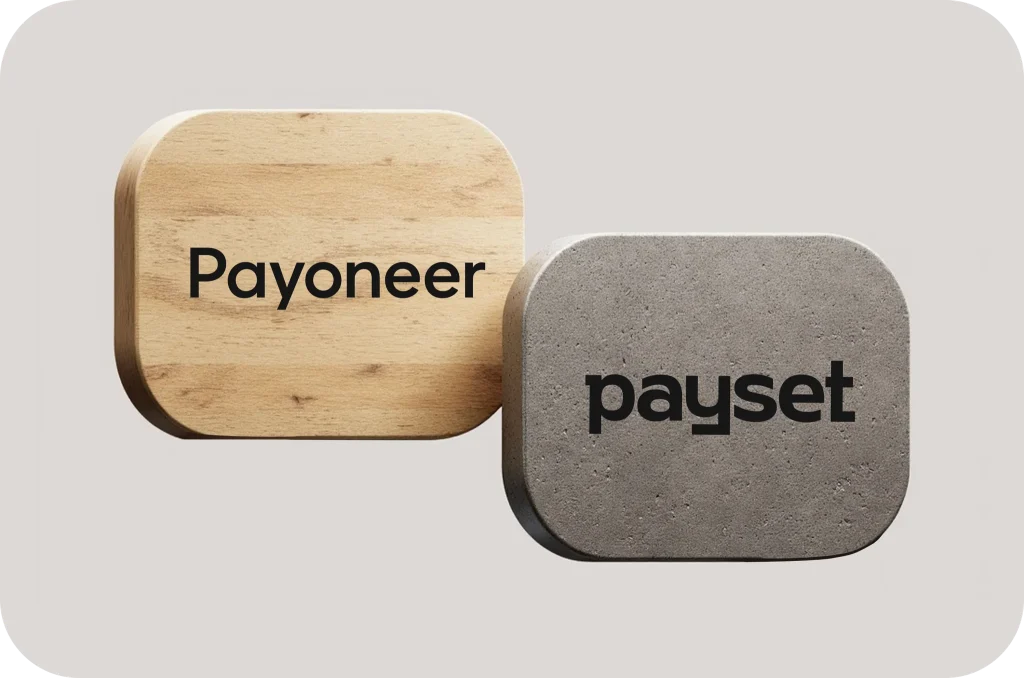
כיצד Payoneer משתווה ל-Payset?
| Payset | פאיוניר |
| גישה ליינט ולמכשירים ניידים | אפליקציית ווב ומובייל |
| חשבונות אישיים: 9 ליש"ט לחודשחשבונות עסקיים 29 ליש"ט לחודש פלוס תמחור לפי עסקה | תמחור לפי שימוש, בתוספת דמי כרטיסים שנתיים וחשבונות בשימוש נמוך |
| ללא דמי הרשמה | אין דמי הרשמה באזורים מרכזיים |
| תמיכה ב-35 מטבעות | תמיכה במשיכות ב-70 מטבעות |
| תמיכה ב-180+ מדינות | תמיכה ב-190+ מדינות |
| כרטיסי חיוב יגיעו בשנת 2026 | כרטיסי הנפקות ותומך בתשלומים בכרטיס |
| תשלומים בכמות ובתזמון (ראה פרטים) | תשלומים בכמות גדולה |
| גישת צוות לכל המשתמשים העסקיים (ראה פרטים) | חשבון מנהל וקישוריות קבוצת העסק בשלבים מוקדמים |
| אין מגבלות העברה לאחר עמידה בדרישות התאימות (ראה פרטים) | מגבלות העברה ספציפיות לכל משתמש |
| מוסדר בבריטניה כ-EMI, עם רישיונות ו/או שירותים גלובליים | מוסדר בארה"ב ובבריטניה, עם רישיונות ו/או שירותים גלובליים |
| פתיחת חשבון תוך 1-3 ימי עסקים | אישור חשבון תוך 3 ימים |
| מדיניות הגנה בבריטניה | מדיניות שמירה על רישום UKMSB בארה"ב |
| ידידותי לקריפטו ו מגזרים אחרים; מגביל רק תוכן למבוגרים ופעילות בלתי חוקית | פעילויות מוגבלות רבות |
בשורה התחתונה
Payoneer היא אופציה חשובה עבור פרילנסרים, שווקי מסחר מקוונים (marketplaces) ומשתמשי עסקים — במיוחד אלו הממוקמים באזורי השירות המרכזיים שלה.
אולם, אנו רואים מגבלות מסוימות בשירות. פיוניר משרת רק פרילנסרים ועסקים ואינו מציע חשבונות אישיים. אנו רואים את שירותינו כמתאימים ביותר לחברות ללא מורכבות ארגונית.
המטרה שלנו ב-Payset היא למצוא תצורת תשלום שתעבוד עבורך. עם חשבונות אישיים ועסקיים המתאימים כמעט לכל משתמש, בנוסף לתמיכה חזקה בתהליכי עבודה מורכבים, נעבוד כדי לספק את צרכיך.
ראה כיצד Payset משווה לפתרונות תשלום מובילים אחרים כָּאן.
מעוניין? פתח חשבון Payset היום ללא דמי רישום ראשוניים.
הצהרת אחריות התמחור, התכונות והפרטים בעמוד זה מבוססים על אתרי אינטרנט מתחרים בזמן כתיבתם (נובמבר 2025). פרטים עשויים להשתנות לאורך זמן, להשתנות לפי אזור, ואינם מכסים את כל אפשרויות השירות המוצעות על ידי מתחרים. משתמשים צריכים לאמת פרטים אצל מתחרים. Payset אינה תומכת או מייצגת מתחרה כלשהו, וכן מתחרים לא תמכו בתוכן הנ"ל. Payset וצדדים קשורים מתנערים מאחריות לכל טעות או פעולות שננקטו בהתבסס על תוכן זה. המידע הוא למטרות כלליות בלבד ומוצע על אחריות המשתמש בלבד.