



Key Takeaways:
- For individuals and businesses interacting with the Eurozone, Euro bank accounts and EMIs provide tools for managing transactions in Euros, reducing the need for currency conversions and making for smoother financial operations.
- Tools like the International Bank Account Number (IBAN) and the Single Euro Payments Area (SEPA) enhance the efficiency of cross-border euro transactions, allowing individuals and businesses to manage their finances as easily abroad as they would domestically.
- EMIs operate primarily online and offer distinct advantages over traditional banks by providing faster setup, lower fees, and services tailored for digital ease and multi-currency management, making them excellent choices for international users and global businesses.
Understanding Euro Bank Accounts and EMIs in the UK
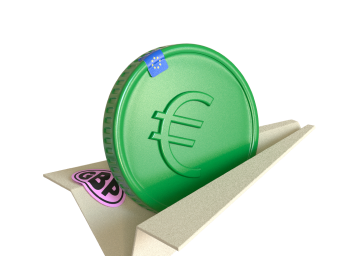
If you’re looking to make regular financial transactions across Europe, Euro bank accounts and electronic money institutions (EMIs) are excellent tools. A Euro bank account in the UK allows you to hold, manage, and transact in Euros, making payments and money management within the Eurozone simple and efficient. This type of account is especially useful if you often engage in transactions with countries that use the Euro, saving you from frequent currency conversion fees.
An EMI provides similar services but operates primarily online. And, unlike traditional banks, EMIs don’t offer loans or credit products, rather focusing on digital payments, multi-currency accounts, features like prepaid cards and online money transfers. This digital-first approach usually allows for quicker setup and lower fees.
With both traditional banks and EMIs, Euro transactions are streamlined through tools like the International Bank Account Number (IBAN) and the Single Euro Payments Area (SEPA). An IBAN uniquely identifies your account, making international transfers smoother and reducing errors. SEPA further facilitates cross-border euro transactions by standardising payments across Europe, allowing you to conduct international transactions as easily as domestic ones.
Benefits of Using an EMI Vs a Euro Bank Account
For financial transactions in the Eurozone, holding a non-resident euro bank account offers a number of advantages:
Facilitates easier transactions: A non-resident Euro bank account simplifies the process of managing transactions in Euros. By eliminating the need for frequent currency conversions, you’ll save on exchange fees.
Establishes economic presence in the Eurozone: Such an account can help build a financial profile within the Eurozone, which is beneficial for individuals engaging in business or looking to invest across Europe.
Supports local currency operations: This type of account is particularly useful for managing financial tasks like paying local bills, property management costs, or investment-related expenses in the Eurozone without the added complexity of currency issues.
Compared to traditional banks, EMIs platforms offer several distinct benefits:
Speedy account setup: EMIs provide a faster and less complicated setup process, usually available entirely online, making it convenient for users across the globe.
Reduced fees: Typically, EMIs offer lower transaction fees and don’t require a minimum balance, making them more cost-effective.
Optimised for multiple currencies: EMIs are designed to manage multiple currencies, and their exchange rates are often more competitive than those of traditional banks.
Real-time management capabilities: EMI platforms have advanced digital tools that allow users to track and manage their finances instantly on their smartphone or computer.
Accessible globally: EMIs are globally accessible, enabling people to manage their accounts conveniently from wherever they are in the world.
Flexible for non-residents: EMIs are particularly accommodating to non-residents, streamlining the application and management processes to support international lifestyles or businesses that operate without geographical constraints.
With Payset, you’ll be issued a local European IBAN, allowing you to transact like a local using the Euro currency and domestic payment networks.
Eligibility Criteria for EMIs Vs Euro Bank Accounts
Eligibility criteria for opening an account at a traditional bank vs. an EMI can significantly differ for individuals and businesses. Most institutions follow Know Your Customer or Know Your Business (KYC/KYB) procedures, which are regulatory standards to combat financial crime, such as money laundering.
Traditional banks might restrict you to being a resident of the country or the Eurozone. They may also require minimum deposits or proof of income, especially for premium accounts or those offering investment services.
EMIs, on the other hand, often have distinct requirements. In the UK, they are regulated by the FCA, which has a distinct legal framework for EMIs. They usually have lower or no minimum deposit requirements, broadening their accessibility. Opening a business account at an EMI may require providing information pertaining to your business’s type and sector, operating regions and estimated monthly turnover.
If you don’t need traditional banking services like loans or credit, an EMI can be a much simpler and more accessible choice. EMIs cater to your needs for managing multiple currencies and making international payments efficiently. This makes them particularly appealing if you’re running an international business, a freelancer or a digital nomad.
Required Documentation
When opening an account, whether with a traditional bank or an EMI, you will need to provide certain documents. The specific requirements vary between EMIs and banks, particularly concerning the scope of documentation.
Standard documents needed for all types of institutions: Both traditional banks and EMIs require valid identification, such as a passport or national ID card. They will also need proof of address. Commonly accepted documents include utility bills, bank statements, or government-issued documents, such as a tax bill, dated within the last three months.
Traditional bank requirements: Traditional banks may also require additional documentation such as proof of employment, recent payslips, or tax returns, especially for credit products or investment services.
EMI requirements: The documentation required by electronic money institutions, focusing more on digital services, will vary depending on the location of the sender/receiver and the transaction type and volume. In some cases, they might only require the basic identification and proof of address, and often allow for digital submission and verification, greatly streamlining the process.
Additional requirements for non-residents: Non-residents might be asked to provide more extensive documentation, including proof of legal residence or visa status in their home country, and, potentially, documentation showing the purpose of the account—like investment or property ownership documents.
Additional requirements for businesses: Both banks and EMIs require documents such as company registration details, articles of association, and proof of business address. Additionally, banks and EMIs need details about the business’s directors and major shareholders, often including their personal identification to comply with KYC/KYB standards.
Step-by-Step Guide to Opening an Account
In choosing the right bank or digital payment service, start by comparing services based on your particular needs. Consider fees, ease of account management, and specific features such as international transfers or multi-currency support.
Then, decide whether to apply online or in-person. In-person applications might be necessary for certain types of accounts or to meet specific bank requirements. Otherwise, online applications are convenient and quick.
After submitting your application, the bank or EMI will verify your documents to ensure everything is in order. This may include a background check for anti-money laundering (AML) purposes. Approval times can vary, but online applications usually result in quicker verification and account activation.
Comparing Euro Bank Account Providers
Choosing between providers depends on your specific banking needs, whether prioritising cost, convenience, or a broad range of financial services.
Traditional banks often offer a full suite of banking services, including loans, credit, and investment opportunities. Their fees for international transactions and account maintenance can be higher, but they do come with extensive ATM and branch networks.
EMIs and digital payment providers typically excel in user-friendly platforms with lower fees for international transfers and account management. While they lack physical branches, they offer innovative services like multi-currency accounts and instant cross-border payments.
Pros and Cons of Different Account Types
Personal Accounts: Offered by both types of providers, personal accounts are versatile for daily banking needs. Traditional banks provide in-person service and reliability, while digital providers offer convenience and lower fees.
Business Accounts: Digital providers can be more beneficial for businesses involved in international transactions due to easier currency management and lower fees. Traditional banks may offer more personalised services and support for larger business operations.
Investment Accounts: Traditional banks typically have a broader range of investment products. Digital services may offer investment options but are usually limited to simpler, more accessible investment tools.
Digital Payment Services and Euro Accounts
Digital banks offer significant advantages for managing euro transactions. They typically provide lower fees for international transfers, real-time currency exchange, and simplified account management through user-friendly apps—all ideal for users who frequently transact across borders or manage multiple currencies.
Services like Payset exemplify the capabilities of digital payment platforms. Payset focuses on multi-currency IBAN accounts and low-cost cross-border payments, offering currency exchanges, and local and international transactions on various different payment networks.
Managing Your Euro Bank Account
To make deposits and withdrawals from your Euro bank account, you can typically use online banking, ATMs, or visit a branch in person. For digital banks, transactions are managed entirely online or via mobile apps, allowing for remote deposits and withdrawals with ease.
Fees associated with international transfers and currency conversions can vary widely depending on the provider. Traditional banks may charge higher fees for international transactions, whereas digital services often offer lower fees and use mid-market exchange rates for currency conversion. Always check the specific fee structure on your bank or payment service’s website to avoid surprises.
Common Challenges and Solutions
Opening and using a euro account, particularly for non-residents and expats, can come with a set of challenges, such as navigating complex banking regulations and dealing with potential language barriers. The lengthy documentation and verification process can be daunting for those unfamiliar with the local banking system.
A few basic tips: Before opening an account, research different banks and EMIs to understand their specific requirements and offerings. Prepare all necessary documents beforehand, including proof of residency and income. Finally, use banks that offer customer support in multiple languages.
For non-residents and expats, opting for an EMI is particularly beneficial. They often have more straightforward account setup processes, are more accommodating to non-residents, and offer services such as multi-currency accounts and lower fees for international transactions.
Conclusion
For UK residents and businesses engaging with the Eurozone, Euro bank accounts and electronic money institutions (EMIs) are great financial tools. These accounts allow you to spend and receive euro payments as if you were local, simplifying transactions and minimising currency exchange hassles. Whether for personal use or business operations, choosing the right type of account—traditional bank or EMI—depends on your specific needs.
EMIs like Payset are advantageous if you prioritise ease of use, low fees, and flexibility. They provide digital-first solutions tailored for managing multiple currencies and facilitating international payments efficiently. Ultimately, selecting the best account should align with your financial activities, ensuring that you can operate seamlessly across borders with confidence and convenience.